

Transportation research is evolving: the focus is shifting from technology to the system. Six trends point to the future of mobility.
Transportation research is undergoing a structural transformation that is fundamentally changing its focus and role. Attention is shifting from isolated technological solutions to the functioning of transportation as a complex system that must simultaneously respond to growing demands for safety, accessibility, capacity, and sustainability. Research activities today are concentrated in problem-defined areas—ranging from automation and digitalization to energy transition and urban mobility—that reflect the specific challenges of future transportation systems.
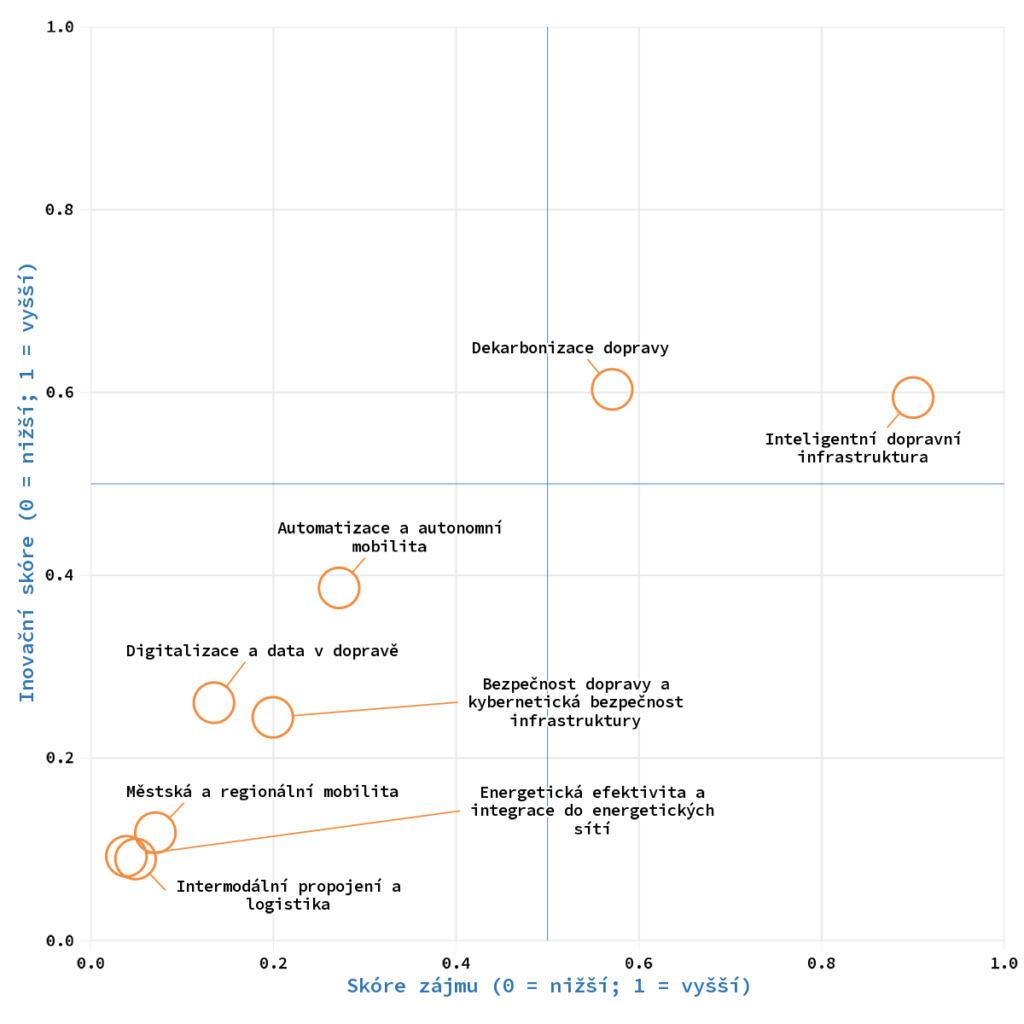
A synthesis of the problem-defined areas reveals that several common shifts are occurring across the field. The identification of six key trends reveals structural changes that are redefining not only research priorities but also the very way in which transportation systems are designed and managed. These trends link technological developments with institutional, energy, and societal changes, creating a new framework for understanding mobility.
The first major shift is the emergence of artificial intelligence as the fundamental control layer of transportation. AI is gradually becoming an “operating system” that integrates perception, decision-making, and real-time prediction, enabling transportation to be managed as an adaptive whole. Closely related to this is the integration of transportation into energy systems, where mobility ceases to be merely an energy consumer and becomes an active element contributing to grid stability and the efficient integration of renewable energy sources.
Digital twins and simulations play another key role, shifting from the design phase to the actual operation of the infrastructure. They enable testing of scenarios, optimization of control, and risk prevention in an increasingly complex environment. At the same time, the concept of security is also evolving: it is becoming an integrative principle of the entire system, encompassing physical, digital, and cyber dimensions. It is precisely the ability to ensure reliable and resilient operations that will determine the pace of innovation adoption.
The approach to decarbonization is also undergoing a fundamental transformation; it is now understood as a systemic task encompassing the entire life cycle of technologies, infrastructure, and materials. Research is thus shifting from individual solutions to assessing the overall impacts on the economy, the environment, and the energy sector. In parallel, the very understanding of mobility is changing: it is increasingly perceived as a public service, the quality of which is assessed based on accessibility, inclusivity, and impacts on quality of life.
Horizonary FAST’s trend mapping identifies the main directions of research and innovation dynamics and their interconnections. The mapping is based on a combination of data from national and European databases of research projects, patent applications, and international scientific publications, supplemented by an analysis of articles in the international scientific press. This approach makes it possible to systematically capture not only the current state but also the dynamics of development in individual topics.
You can view the full report in Czech here